Health and Safety Policy for House Clearance Operations
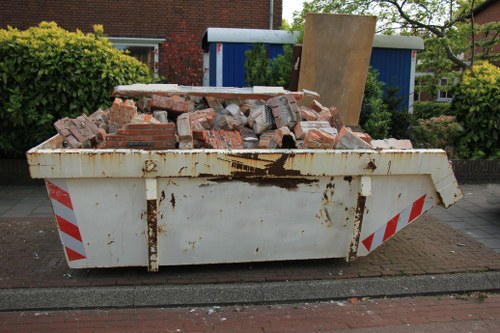 Introduction: This Health and Safety policy outlines the standards and responsibilities for safe house clearance, property clearance and estate clearance work. It applies to all personnel engaged in clearance, removal and site preparation tasks and to any contractors or temporary staff who may assist with a home clearance or house-clearance event. The purpose is to reduce risk of injury, protect health, and ensure the safe disposal and handling of materials while maintaining respect for clients and properties. All staff must read and acknowledge this policy before undertaking work.
Personnel must be trained and competent in house clearing techniques, waste segregation and manual handling. Key principles include risk assessment before every job, adherence to safe systems of work, and clear communication among team members. Supervisors will ensure correct use of personal protective equipment (PPE) and maintain records of training and briefings. Occupational hygiene measures are essential where dust, mould or biohazards are suspected; a cautious approach safeguards both crew and occupants.
![A person is collecting and sorting various discarded plastic bottles and containers, including transparent and coloured bottles, into a recycling bin or collection area. The person's hands are visible, with one hand holding a metal can, suggesting activity related to rubbish or waste disposal. The plastic bottles vary in size and shape, some with visible labels, with textures ranging from smooth to ribbed. The items are arranged haphazardly on a surface, possibly outdoors or in a waste collection setting, with natural lighting casting soft shadows. This scene aligns with waste management practices often managed by local rubbish removal services in the area near [POSTCODE], supporting environmentally responsible disposal and recycling efforts. House Clearance provides professional waste collection and rubbish removal services, including responsible disposal of containers like these. The background is blurred, focusing attention on the actively sorted waste objects, with no additional environmental features or surroundings clearly visible.](/pub/_photos/rubbish/f1272135400.jpg) Risk assessment and planning: Before any home clearance or house clearances begin, a documented risk assessment must be completed. Assessments should identify hazardous materials (such as asbestos suspect items, sharps, chemicals, and contaminated waste), structural risks, access constraints and any health vulnerabilities of residents or workers. Plans must include safe demolition of small internal items, controlled removal routes, and contingency actions for unexpected hazards. A clear brief, including the timeline and allocation of duties, reduces confusion and prevents accidents.
Risk assessment and planning: Before any home clearance or house clearances begin, a documented risk assessment must be completed. Assessments should identify hazardous materials (such as asbestos suspect items, sharps, chemicals, and contaminated waste), structural risks, access constraints and any health vulnerabilities of residents or workers. Plans must include safe demolition of small internal items, controlled removal routes, and contingency actions for unexpected hazards. A clear brief, including the timeline and allocation of duties, reduces confusion and prevents accidents.
Control measures and safe working practices
Control measures include engineering, administrative and PPE controls. Engineering controls might involve using mechanical aids for heavy lifts, securing unstable items, and providing adequate lighting. Administrative controls include limiting exposure time to high-risk areas, rotating duties, avoiding lone working where hazards exist, and maintaining incident logs. Workers should always wear appropriate PPE such as gloves, safety boots, high-visibility clothing and respiratory protection when necessary.Manual handling must follow safe-lifting procedures, using trolleys, sack trucks and hoists where possible. For large-scale property clearance, mechanical lifting equipment should be deployed by trained operators. Sharp objects and medical waste must be treated as hazardous: use puncture-resistant containers, label waste clearly and follow secure disposal routes to prevent injury and contamination during house clearance tasks.

Environmental and waste management
Responsible clearance includes correct segregation of recyclable items, hazardous materials and general waste. Waste streams should be separated on-site to minimize environmental impact and ensure compliance with disposal standards. Staff must avoid uncontrolled burning, illegal dumping, and improper disposal of electronics and chemicals. Where specialist removal is required for items such as fluorescent tubes, solvents, or batteries, arrange certified collection or handover to appropriate facilities.Communication and incident response are central to safety. Teams must carry communication devices and maintain a check-in system for remote or multi-level properties. All incidents, near misses and hazards must be reported and investigated promptly to prevent recurrence. First aid provisions should be available on-site or nearby, and designated first-aiders should be identified for each job. Emergency procedures must cover evacuation routes and liaison with emergency services where necessary.
 Training and competence: Ongoing training ensures staff remain current in safe house clearance methods. Training topics include safe lifting, hazardous materials awareness, use of PPE, fire safety, and manual handling. Periodic refresher courses, toolbox talks and on-the-job supervision reinforce best practice and encourage a safety culture. New employees must receive induction training specific to clearance work before being deployed.
 Roles and responsibilities: Management is responsible for providing resources, maintaining equipment and ensuring compliance with this policy. Supervisors must enforce safe working procedures and review risk assessments regularly. Workers are expected to follow instructions, use PPE correctly, report hazards and participate in training. Contractors engaged for property or estate clearance must demonstrate competency and adhere to the same safety standards. Regular performance reviews and safety audits will measure compliance and inform improvements.
Monitoring, review and continuous improvement: This policy will be reviewed periodically to reflect operational changes and emerging risks. Audits, site observations and feedback from staff (excluding personal testimonials) contribute to ongoing improvement. Records of incidents, equipment checks and training form the basis for reviews that drive safer house clearing practices. Commitment to these standards promotes a professional, safe and responsible approach to all house clearance and home clearance activities.
Conclusion: Safe clearance work protects people and property. By following robust risk assessment, control measures, training and waste management principles, teams can deliver efficient and secure property clearance and house-clearance work. Maintaining a proactive safety culture is essential to minimizing harm and ensuring every clearance is conducted with care, competence and respect.