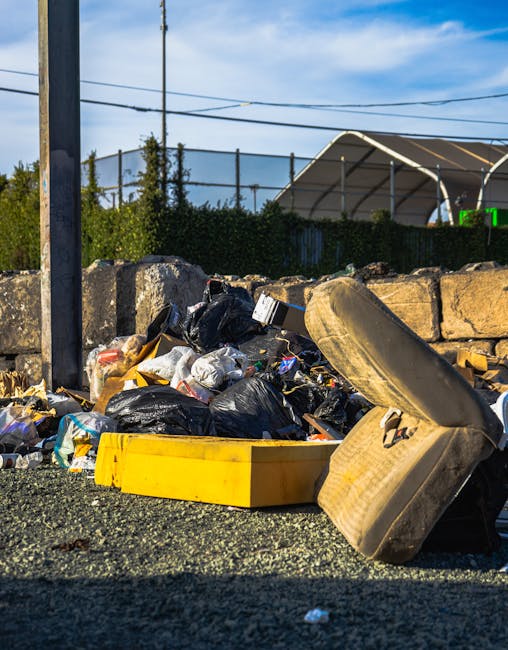
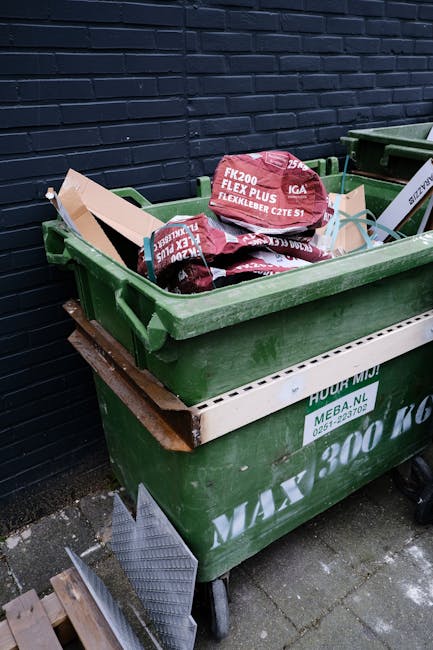
Five rubbish removal myths that harm recycling efforts
If you have ever stood beside a growing pile of bags, boxes, old furniture and the odd broken lamp, you will know how quickly rubbish removal can turn messy. The problem is not just clutter. The real issue is that a few common rubbish removal myths can quietly sabotage recycling efforts, sending reusable or recyclable materials down the wrong path. That means more waste, more contamination, and more missed opportunities to do the right thing.
In practice, most recycling problems are not caused by one dramatic mistake. They come from small assumptions: that everything can be thrown together, that council and private collections work the same way, or that "dirty" items are never recyclable. Let's face it, those myths are easy to believe when you are in a hurry. This guide breaks down five of the biggest ones, explains why they cause trouble, and shows you what to do instead.
Whether you are clearing a flat, emptying a garage, booking a rubbish removal service, or simply trying to recycle more responsibly at home, the practical advice below will help you make better decisions. And yes, it will save you a fair bit of stress too.
Table of Contents
- Why these myths matter
- How rubbish removal affects recycling
- Key benefits of getting it right
- Who this guide is for
- Step-by-step guidance
- Expert tips for better results
- Common mistakes to avoid
- Tools, resources and recommendations
- Law, compliance and best practice
- Options and comparison
- Real-world example
- Practical checklist
- Conclusion
- Frequently asked questions
Why Five rubbish removal myths that harm recycling efforts Matters
Recycling only works well when materials stay clean, separated and recognisable. The moment the wrong assumptions creep in, the whole system becomes less efficient. A cardboard box soaked with food waste, a bag full of mixed plastics, or a load that includes hidden batteries can all disrupt what could have been a useful recovery process.
That matters for three reasons. First, it reduces the amount of material that can be reused or recycled. Second, it creates extra sorting work for waste handlers and facilities. Third, it can increase disposal costs because a load that could have been recycled may need additional processing or may be treated as general waste. Nobody wants that. Not really.
There is also a behavioural side. Once people believe a myth, they repeat it. One neighbour says "everything gets mixed anyway", another says "the council will sort it later", and before long the wrong habit feels normal. The trouble is that recycling is not magic. It depends on simple, reliable actions done consistently.
For households, landlords, offices and tradespeople, clearing waste properly is part of the bigger sustainability picture. If you are planning a larger tidy-up, it often helps to pair good sorting habits with a service that understands reuse and disposal routes, such as recycling and sustainability focused collection and clearance support. That way, you are not just getting rid of things; you are keeping options open for recovery, donation and responsible disposal.
Expert summary: The biggest recycling gains often come from the boring bits done well: separating materials, keeping items dry, removing hazards, and choosing the right collection route. Simple, yes. But very effective.
How Five rubbish removal myths that harm recycling efforts Works
To understand the myths, it helps to understand what happens after rubbish leaves your property. A load may be taken directly to a transfer station, weighed, checked and separated. Some items can be sent for material recovery, some may be suitable for reuse, and others may need disposal because of contamination, damage or safety concerns.
The process is not identical everywhere, and that is part of the problem. Different operators, councils and facilities may accept different items under different conditions. A clean sofa, for example, may be handled differently from a sofa soaked with mould or pests. Likewise, a batch of clean scrap timber is not the same as treated timber mixed with plasterboard and general rubbish.
This is where myths become costly. If you assume one rule applies to every waste stream, you might mix materials that should be separated. If you assume an item is always recyclable, you may include things that contaminate the lot. On the other hand, if you assume something is never recyclable, you might throw away a useful item that could have been recovered.
The practical rule is straightforward: sort first, remove hazards, and only then decide on the best route. In many real-life clearances, that means separating furniture, white goods, garden waste, and general rubbish before collection. If you are dealing with bulky items, services such as bulky waste collection or large item collection can be useful when organised properly, because size alone does not tell you what can be recovered.
The five myths at a glance
| Myth | Why people believe it | What actually helps recycling |
|---|---|---|
| Everything can go in one pile | It feels quicker and simpler | Separate recyclables, reusable items and general waste |
| The collector sorts everything later | Some services do sort at facilities | Pre-sorting reduces contamination and rejection |
| Dirty items can always be recycled | Not all mess is a problem | Some materials must be clean and dry to be accepted |
| All rubbish removal is the same | The process looks similar from the outside | Council, private and specialist collections have different routes |
| Recycling is pointless for small clearances | The volume seems too low to matter | Small changes still reduce landfill and improve recovery |
Key Benefits and Practical Advantages
Getting these myths out of the way does more than help the planet. It makes waste handling smoother, safer and often more economical. You may not notice the difference on one bag of rubbish, but on a full house clearance or a run of office waste, the improvement becomes obvious.
- Better material recovery: clean, separated loads are easier to recycle or reuse.
- Less contamination: one badly mixed item can affect an otherwise recyclable batch.
- Safer handling: batteries, aerosols, sharps and electrical items are easier to spot when sorted early.
- Faster collections: organised waste usually takes less time to move and process.
- Fewer avoidable costs: disposing of everything as general waste can be more expensive than targeted sorting.
- More useful clear-outs: furniture, appliances and other items may be suitable for a second life.
There is another benefit that gets overlooked. Good sorting makes decision-making easier. When you know what you have, you can choose between a standard rubbish removal service, a furniture-focused collection, a white goods recycle route, or a more complete waste clearance approach. That clarity matters when the job is urgent and the room is already full of stuff.
Truth be told, people often underestimate how much peace of mind comes from knowing the waste is being handled properly. It is not glamorous. But it is satisfying. Very satisfying.
Who This Is For and When It Makes Sense
This guide is for anyone who wants to clear waste without making recycling harder than it needs to be. That includes homeowners, tenants, landlords, estate managers, office teams, tradespeople and anyone facing a one-off clear-out after a move, renovation or bereavement.
It is especially useful if you are dealing with mixed waste. Mixed waste is where myths do the most damage, because it is tempting to assume that "someone else will sort it". A few examples:
- Households: clearing cupboards, lofts, sheds or old furniture after a tidy-up.
- Landlords and agents: removing abandoned items between tenancies.
- Offices: disposing of chairs, desks, filing units and old equipment.
- Trades and refurb teams: managing renovation waste without mixing recyclable materials into general rubbish.
- Small businesses: wanting a cleaner, more organised waste routine.
If you are in a hurry, the temptation is to skip sorting. But that is exactly when mistakes happen. A quick example: a flat clearance on a rainy morning, cardboard boxes damp from the hallway, a broken shelving unit, two bags of mixed plastics, and a fridge still sitting in the kitchen. It only takes a minute for a recyclable load to become muddled. That little minute can affect everything downstream.
If your project is broader than a single bin's worth of waste, you may want to compare home clearance, house clearance and specialist item collection services to see which approach fits best.
Step-by-Step Guidance
Here is the practical part. If you want to avoid the five myths and improve recycling outcomes, use a simple process instead of guessing. You do not need a complicated system. Just a bit of discipline and common sense.
1. Identify what you actually have
Start by walking the space and grouping items by type. Look for recyclables, reusable items, food waste, general rubbish and hazardous materials. Do not rush this bit. It sounds obvious, but people often miss batteries tucked inside remote controls or cables hidden under office clutter.
2. Separate obvious recycling streams
Keep cardboard, paper, cans, glass and accepted plastics apart where possible. If local guidance or your collection route requires mixed recycling, that is fine, but avoid adding food waste or heavily soiled items. Dry and clean is usually safer. Not perfect, just clean enough.
3. Remove problem items first
Take out batteries, electrical items, chemicals, paint, fluorescent tubes and anything that could leak, spark or break. These should never be assumed safe simply because they are small. A loose battery rolling around in a bag is a headache nobody needs.
4. Decide what can be reused
Some items do not need recycling at all. They need a second home. Solid furniture, intact appliances and usable household goods may be suitable for reuse if they are clean and safe. That is often the best outcome, both environmentally and practically.
5. Choose the right collection route
For a single mattress or sofa, a specialist collection may be more efficient than treating everything as mixed rubbish. For a bigger job, a broader clearance service may make more sense. If you are unsure, compare the item type and condition before booking. For example, mattress disposal is not the same as sofa removal, and furniture often follows a different route from general waste.
6. Ask what happens after collection
A reputable operator should be able to explain how they handle sorting, reuse and disposal in plain language. You do not need a lecture. Just a clear answer. If the response is vague, that is usually a sign to ask more questions.
7. Keep a simple habit for next time
Once you have done it properly once, make it easier next time. Store recyclables separately, flatten cardboard, keep batteries in a safe container, and avoid tossing mixed waste into the nearest bag. Small habit, big payoff.
Expert Tips for Better Results
In our experience, the best recycling results come from people who make the process almost automatic. Not perfect. Just consistent. Here are the habits that make the biggest difference.
- Keep recyclables dry: rain-soaked cardboard and food-contaminated paper are far less useful.
- Think in materials, not objects: a single chair may contain wood, metal, fabric and foam, which often need different handling.
- Check for hidden contents: drawers, pockets, cupboards and hollow items can hide batteries, tools or waste.
- Break down bulky items where safe: this can make sorting and loading more efficient.
- Use clear piles or boxes: visual separation reduces accidental mixing.
- Be conservative with questionable items: if something is greasy, damaged or contaminated, do not assume it is recyclable without checking.
One thing we see often in London properties, especially older flats and shared buildings, is mixed storage: a bit of loft clutter, a few bags in the hallway, and leftover packaging from a furniture delivery. It is exactly the kind of setup where myths spread. "That box can go with the rest." "The old cables are probably fine." Maybe. Maybe not.
A better rule is to pause for ten seconds before you bin something. That tiny pause can save a recyclable item from becoming waste. It sounds almost too simple, but there it is.
Expert summary box
Best practice in one sentence: sort by material and condition, remove hazardous items early, and choose a collection route that matches the waste rather than forcing everything into the same pile.
Common Mistakes to Avoid
Most recycling setbacks come from familiar mistakes. The good news is they are easy to spot once you know what to look for.
- Putting food waste in with recyclables: even small amounts can contaminate paper and cardboard.
- Leaving liquids inside containers: half-full bottles and cans can make a load dirty fast.
- Ignoring electrical items: WEEE items, including old chargers and small appliances, should be handled carefully.
- Assuming all plastics are accepted: some are, some are not, and local rules can vary.
- Mixing sharp or hazardous items into ordinary bags: this creates safety risks for anyone handling the waste.
- Overfilling bags and boxes: if things burst open in transit, sorting becomes harder.
- Forgetting that reuse comes first: not every item should be recycled; some should be passed on or recovered.
A subtle mistake is treating the end result as the only thing that matters. You might think, "It's gone, so job done." But if the route was wrong, the environmental value drops. A clean, usable chair sent to mixed waste is a missed opportunity. A recyclable load packed with rubbish becomes less useful. That is the real harm these myths cause.
Tools, Resources and Recommendations
You do not need specialist equipment, but a few basic tools make good sorting much easier.
- Heavy-duty sacks or boxes: useful for separating materials without them mixing again.
- Labels or marker pens: very handy for marking "paper", "metal", "reuse", "electrical", and "general".
- Reusable crates or tubs: helpful for offices, workshops and multi-room clearances.
- Gloves and sturdy footwear: sensible for broken items, lofts and garden clear-outs.
- Small containers for batteries and loose metal: keeps hazards contained.
For larger household or business jobs, it is often useful to compare collection types before booking. A furniture clearance may suit a room full of furnishings, while office clearance may be a better fit for desks, chairs and equipment. If you are dealing with a more general mix, waste removal or waste disposal services may be more appropriate depending on what needs to go.
It also helps to keep an eye on condition. A cracked plastic box may still be accepted in some recycling streams, but a greasy takeaway tub probably will not. A broken washing machine may be recyclable as metal, but only after safe handling and proper collection. The details matter. A lot.
Law, Compliance, Standards, or Best Practice
Waste handling in the UK sits within a framework of legal duties and practical expectations, even if most homeowners only notice it when something goes wrong. In general, anyone producing waste has a responsibility to dispose of it properly and avoid causing harm or nuisance. For businesses and landlords, the standard is usually higher because waste must be managed with greater care, record-keeping and duty-of-care thinking.
You do not need to memorise every rule to act responsibly. The safest approach is to keep waste streams separate where possible, avoid mixing hazardous items into general rubbish, and use services that can explain how they handle recycling, disposal and safety. If you are arranging collections for a workplace or a property portfolio, make sure the chosen route is appropriate for the waste type and the condition of the items.
Best practice also means being honest about what is inside the load. If there are fridges, mattresses, electronics, chemicals or mixed building materials, mention that upfront. It helps avoid delays and reduces the risk of non-compliant handling later on. For example, appliance-related items such as a fridge often need more careful treatment than standard household rubbish, and specialist routes such as fridge disposal can be more suitable than a general tip run.
If you are clearing business waste, especially from offices or commercial premises, it is worth reviewing how the collection aligns with your own internal policies and safety procedures. A little admin upfront can prevent a lot of awkwardness later.
Options, Methods, or Comparison Table
Choosing the right method depends on how much waste you have, what it contains, and whether reuse is possible. Here is a simple comparison to help you think it through.
| Method | Best for | Strengths | Watch-outs |
|---|---|---|---|
| Council collection | Routine household items and local service users | Convenient, familiar, often suitable for standard waste | May have limits on item type, size, booking times and presentation |
| Private rubbish removal | Mixed, urgent or bulky clear-outs | Flexible, faster, can handle varied loads | Quality of sorting depends on provider and the information you give them |
| Specialist item collection | Furniture, appliances, mattresses and single large items | Better match for specific waste types, sometimes supports reuse or recycling | Not ideal if you have a broad mix of unrelated rubbish |
| Full clearance service | Homes, offices, garages, lofts and larger projects | Efficient for bigger jobs, more comprehensive sorting potential | Needs clear communication about contents and access |
For many readers, the answer is not one method forever. It is matching the method to the job. That's the real trick. If you need help with mixed household items, a garage clearance or loft clearance may fit better than a one-off general collection. If the waste is mostly garden cuttings and outdoor debris, garden clearance can keep the load cleaner and easier to process.
Case Study or Real-World Example
Imagine a family clearing out a Victorian terrace in south London after years of accumulated bits and pieces. There are broken chairs, old books, flattened boxes, a small TV, two mattresses, a pile of cables, and a worn-out fridge in the kitchen. Initially, everything is stacked together in the hallway. It looks chaotic. Smells a bit stale too, to be honest.
The first instinct is to book one collection and be done with it. But once the items are sorted, a better pattern appears. The books and clean cardboard go one way. The fridge needs special handling. The mattresses are separated. The chairs are checked for reuse potential. The cables and electronics are grouped for appropriate recovery. The remaining mixed rubbish goes into a general waste stream.
That one extra sorting pass changes the whole outcome. Fewer items are contaminated. More material is recoverable. The load is easier to manage. And the family feels much more in control because the process stops being a mystery. No drama, just better decisions.
This is exactly why the myths matter. If the family had believed that "everything gets sorted later" or that "mixed waste is fine", they would have lost a lot of reuse and recycling value. Instead, the right breakdown gave the waste a proper route. That is how good outcomes happen, one sensible step at a time.
Practical Checklist
Use this checklist before any rubbish removal or clearance job. It is simple, but it catches the mistakes that matter.
- Have I separated reusable items from waste?
- Have I kept recyclables clean and dry where possible?
- Have I removed batteries, chargers, chemicals and other hazardous items?
- Have I checked whether any items need specialist handling?
- Have I grouped furniture, appliances, cardboard, metals and general rubbish separately?
- Have I avoided overfilling bags so they can be safely handled?
- Have I told the collection provider about bulky, heavy or awkward items?
- Have I considered whether a council, private or specialist route is the best fit?
- Have I made sure nothing sharp or leaking is hidden in the pile?
- Have I kept one last eye out for something useful that could be reused rather than thrown away?
If you can tick most of those boxes, you are already ahead of the usual rush-and-hope approach. And that really does make a difference.
Get a free quote today and see how much you can save.
Conclusion
The five rubbish removal myths that harm recycling efforts all share the same flaw: they make waste feel simpler than it really is. In reality, better recycling depends on modest habits done consistently. Separate the right items, remove hazards, match the collection to the waste, and never assume that "someone else will sort it later".
Once you stop believing the myths, the process becomes clearer. You waste less. You recover more. You make life easier for the people handling the load. And if you are clearing a home, office or bulky item, that clarity is worth a lot.
So next time you are facing a pile of rubbish, pause for a moment and sort with purpose. Small choices, better outcome. That is the whole game, really.
Frequently Asked Questions
What are the most common rubbish removal myths that affect recycling?
The biggest myths are that everything can go in one pile, that collectors sort everything perfectly later, that dirty items are always recyclable, that all rubbish removal works the same way, and that small clear-outs do not matter. Each one can reduce the quality of recycling.
Does rubbish removal automatically include recycling?
Not automatically. Some items may be recycled, reused or recovered, but that depends on the material, condition and the type of service you choose. It is better to ask how a provider handles sorting rather than assume.
Can I put all mixed waste together if I am in a hurry?
You can, but it often reduces recycling opportunities. A better approach is to separate obvious recyclables, remove hazards and keep reusable items apart. Even a little sorting makes a difference.
Are dirty cardboard boxes recyclable?
Sometimes, but not if they are heavily contaminated with food, grease or liquids. Clean and dry cardboard is much more likely to be accepted than damp or soiled cardboard.
What should I do with old furniture before rubbish removal?
Check whether it can be reused, repaired or donated. If not, separate it from general rubbish and choose a suitable furniture or bulky item collection route. That improves the chance of responsible recovery.
Do council collections and private rubbish removal work the same way?
No, they usually have different rules, booking systems and accepted items. Council services can be useful for routine waste, while private services are often better for mixed, bulky or urgent jobs.
Is it worth recycling if I only have a small amount of waste?
Yes. Small amounts still add up over time, and the habits you build for a small job often shape how you handle bigger clear-outs later. It is a tiny effort with a lasting effect.
How do I know if an item needs specialist disposal?
If it contains batteries, refrigerants, chemicals, electronics, sharp parts or other hazards, it may need specialist handling. Fridges, for example, should usually be managed through an appropriate disposal route rather than treated like ordinary rubbish.
What is the safest way to sort waste at home before collection?
Use separate boxes or bags for recyclables, reusable items, hazardous materials and general rubbish. Keep everything dry, label where needed, and avoid mixing anything questionable into the main pile.
Can recycling efforts be harmed by one bad item in a load?
Yes, contamination can affect the usefulness of an otherwise recyclable load. One greasy container or a hidden battery may not ruin everything every time, but it can create extra sorting work and reduce the quality of the stream.
How can I improve recycling when clearing a whole house?
Start by sorting room by room. Separate furniture, appliances, cardboard, metals, textiles and hazardous items. Use the right service for each type of waste, and do not be afraid to ask what happens after collection.
What is the next sensible step if I want a cleaner clearance process?
Make a quick inventory of what you need removed, split items into clear categories, and compare the collection options that fit your load. If you want a simpler start, begin with the biggest items first, then work down to the smaller stuff.